Historical figure · Pearson Edexcel International GCSE revision on Incandio
Al-Ghazali
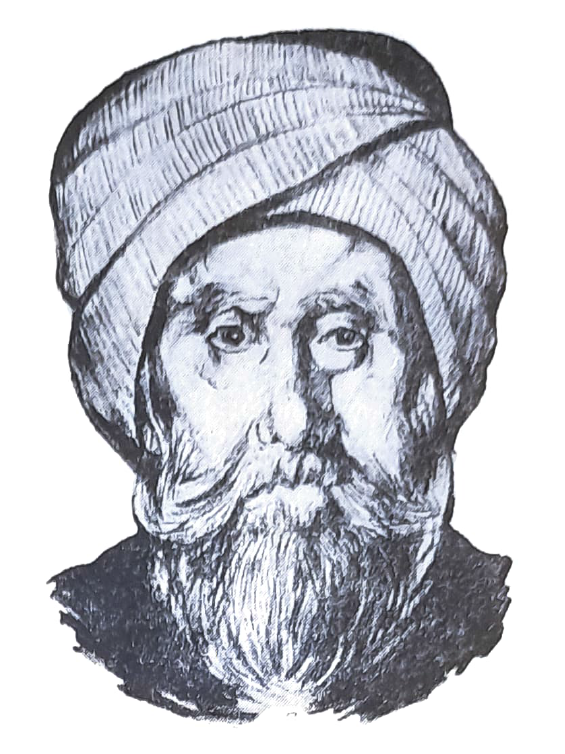
Who Walked Away From The Chair · Theologian & Jurist · c. 1058–1111
The most celebrated teacher in Baghdad, who lost his certainty at the height of his career, gave up the post, and spent eleven years working out what belief could rest on if not on inheritance or argument.
Defend these ideas against Al-Ghazali
Incandio is a free revision platform for the Pearson Edexcel International GCSE, and on it a topic counts as mastered only once you have learned it, proved it in questions, taught it back and defended it against the person with the strongest claim on it. Al-Ghazali is that person for one topic on the course:
- Belief, uncertainty and unbelief — Religious Studies · Islam
Who was Al-Ghazali?
Al-Ghazali was born about 1058 at Tus in Khorasan, in what is now north-eastern Iran. He studied under al-Juwayni at Nishapur, one of the leading theologians of the age, and was appointed by the vizier Nizam al-Mulk to the Nizamiyya college in Baghdad in 1091 — the most prominent teaching position in the Islamic world — at about thirty-three. Four years later he could no longer do it. He has described the crisis plainly: for some months he lost the ability to speak in the lecture room, the physicians told him it was not a bodily illness, and he could not tell whether what he taught rested on anything. In 1095 he left the post, provided for his family, gave away much of what he had, and spent about eleven years travelling and living in retreat — Damascus, Jerusalem, the Hijaz — before returning to teaching at Nishapur. The crisis produced a method rather than a collapse. He examined what his certainty had rested on and found it rested on having been raised in it, which is not knowledge; he tested the senses and found they deceive; he tested reason and found no way to certify reason except by reason. He wrote the Incoherence of the Philosophers, having first summarised their positions so accurately that the summary was studied on its own; the Revival of the Religious Sciences, which put practice back at the centre; and Deliverance from Error, an account of the whole journey. He died at Tus in 1111.
Major achievements
- The Revival of the Religious Sciences (Ihya' Ulum al-Din)
- The Incoherence of the Philosophers, preceded by an accurate summary of them
- Deliverance from Error, a first-person account of intellectual crisis
- Held the Nizamiyya chair at Baghdad at about thirty-three
Life in brief
- c. 1058 — Born at Tus: In Khorasan, in what is now Iran.
- c. 1077 — Nishapur: Studies under al-Juwayni.
- 1091 — The Nizamiyya: Appointed to the leading chair in Baghdad.
- 1095 — The crisis: Loses the ability to lecture; leaves the post.
- 1095–1106 — Travel and retreat: Damascus, Jerusalem, the Hijaz.
- c. 1105 — The Revival: Ihya' Ulum al-Din takes its final shape.
- 1111 — Dies at Tus: Where he had been born.
Explore the life of Al-Ghazali — five chapters
- Tus to Baghdad — The best teaching post in the Islamic world, at thirty-three
- The Crisis — Six months unable to lecture
- Testing the Foundations — The senses deceive; reason cannot check itself
- Reading the Philosophers Before Answering Them — Two years of summary, then the objection
- The Revival — Putting practice back at the centre
Read the five-chapter life of Al-Ghazali →
Begin
- Start a conversation with Al-Ghazali — a dramatised, historically grounded AI portrayal
- Read the Historical Brief
- Explore the life of Al-Ghazali — five chapters
- Find your course · Meet all 280 figures