Historical figure · Pearson Edexcel International GCSE revision on Incandio
Elizabeth Fry
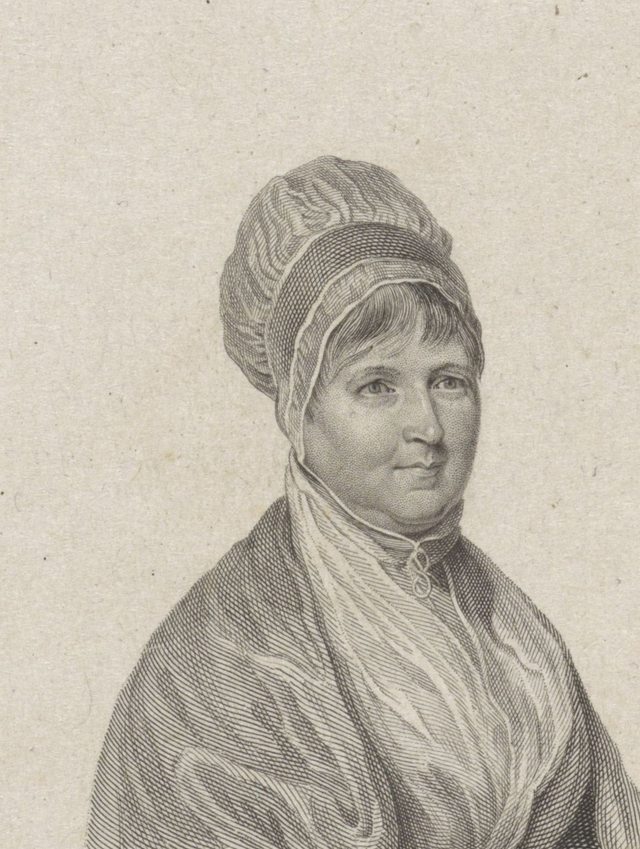
Who Asked the Prisoners to Vote on the Rules · Quaker Minister & Prison Reformer · 1780–1845
The Quaker minister who went into the women's side of Newgate prison, organised schooling, work and order there from 1816–17, gave evidence to Parliament in 1818, and argued that prison should reform rather than degrade.
Why Fry is on Incandio
Incandio is a free revision platform for the Pearson Edexcel International GCSE. Its historical figures are the people a student learns from, questions and — where a specification topic is theirs — defends an idea against. Elizabeth Fry can be questioned here in a dramatised, historically grounded portrayal, and the five-chapter life below is written to be read alongside the course.
Who was Fry?
Elizabeth Gurney was born in Norwich in 1780 into a wealthy Quaker banking family. In 1798 the preaching of William Savery turned her to a strict, 'plain' Quaker life. She married Joseph Fry in 1800 and had eleven children, and was recognised as a Quaker minister in 1811. In 1813 she visited Newgate and found about three hundred women and their children crowded together in squalor. From 1816 she returned regularly, opening a school for the children and in 1817 founding the Association for the Improvement of the Female Prisoners in Newgate, which brought in a matron, rules agreed with the prisoners, paid sewing work and Bible reading. In 1818 she gave evidence to a House of Commons committee. For over twenty years she and her helpers visited women's convict ships bound for Australia. Her husband's bank failed in 1828. She opposed the death penalty for property crimes and opposed solitary confinement. She died at Ramsgate in 1845.
Major achievements
- Organised the women prisoners of Newgate from 1816–17 with a school, a matron, work and rules
- Founded the Association for the Improvement of the Female Prisoners in Newgate (1817)
- Gave evidence to a House of Commons committee (1818)
- Visited women's convict ships for over twenty years, improving conditions on the voyage
- Founded a training institution for nurses (1840)
Life in brief
- 1780 — Born in Norwich: Into the Quaker Gurney family.
- 1798 — Hears William Savery: Becomes a 'plain' Quaker.
- 1800 — Marries Joseph Fry
- 1813 — First visit to Newgate
- 1817 — The Newgate Association: School, matron, rules and work.
- 1818 — Evidence to Parliament
- 1828 — Bank failure: Joseph Fry's bank collapses.
- 1845 — Dies 12 October: At Ramsgate.
Explore the life of Fry — five chapters
- Earlham — A gay young Quaker and a preacher from America
- Newgate — Three hundred women and their children in four rooms
- Before Parliament — Evidence, the gallows, and a Home Secretary who would not move
- The Convict Ships — Patchwork for a voyage to the other side of the world
- The Cost and the Legacy — A failed bank, a separate system, and a silenced cell
Read the five-chapter life of Elizabeth Fry →
Begin
- Start a conversation with Fry — a dramatised, historically grounded AI portrayal
- Read the Historical Brief
- Explore the life of Fry — five chapters
- Find your course · Meet all 280 figures