Historical figure · Pearson Edexcel International GCSE revision on Incandio
Gustav Stresemann
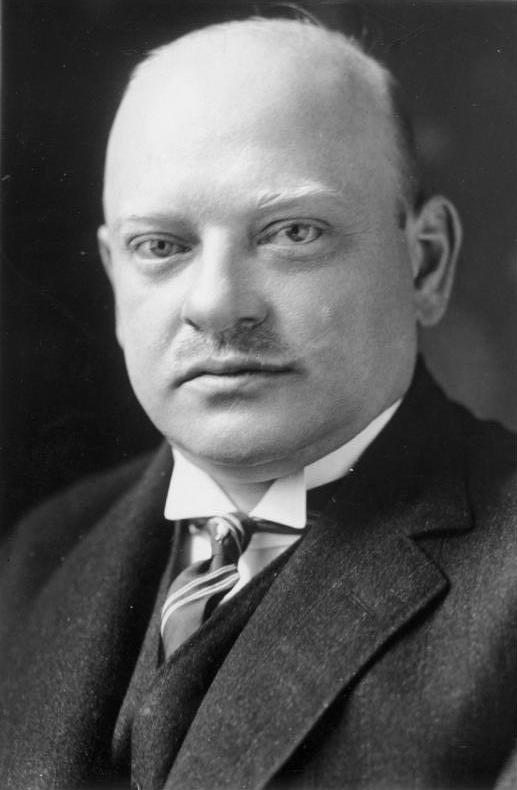
The Republic's Best Servant, And No Republican · German Chancellor & Foreign Minister · 1878–1929
The monarchist who became the Weimar Republic's most effective servant: he ended the Ruhr resistance, issued the Rentenmark, signed at Locarno and died three weeks before the Wall Street Crash.
Defend these ideas against Stresemann
Incandio is a free revision platform for the Pearson Edexcel International GCSE, and on it a topic counts as mastered only once you have learned it, proved it in questions, taught it back and defended it against the person with the strongest claim on it. Gustav Stresemann is that person for 3 topics on the course:
- The Rentenmark and the end of hyperinflation — History · Germany: development of dictatorship, 1918–45
- The Dawes and Young Plans and American loans — History · Germany: development of dictatorship, 1918–45
- Locarno, the League and Kellogg-Briand — History · Germany: development of dictatorship, 1918–45
Who was Stresemann?
Born in Berlin in 1878, the son of a beer distributor, Stresemann was a nationalist and annexationist during the First World War who concluded afterwards that no state other than the Republic was available. He was Chancellor for one hundred and three days in 1923 — the worst year the Republic had. He ended passive resistance in the Ruhr in September, authorised the Rentenmark in November, and was brought down by his own coalition for using force against the left as well as the right. As Foreign Minister from 1923 until his death he negotiated the Dawes Plan, signed the Locarno treaties in 1925, took Germany into the League of Nations with a permanent Council seat in 1926, and shared the Nobel Peace Prize with Aristide Briand. He refused to guarantee Germany's eastern frontier and said so openly. He died on 3 October 1929.
Major achievements
- Ended passive resistance in the Ruhr in September 1923, stopping the printing that was destroying the currency
- Authorised the Rentenmark in November 1923 and the ceiling on issue that made it credible
- Negotiated the Dawes Plan of 1924 and the Young Plan negotiations of 1929
- Signed the Locarno treaties in 1925 and took Germany into the League Council in 1926
- Shared the 1926 Nobel Peace Prize with Aristide Briand
Life in brief
- 1878 — Born in Berlin: Son of a beer distributor in a working-class district.
- 1917 — Leads the National Liberals: A war annexationist and a monarchist.
- 1923 — Chancellor for 103 days: Ends passive resistance in September; the Rentenmark follows in November.
- 1925 — Locarno: Guarantees the western frontier and refuses to guarantee the eastern.
- 1926 — The League and the Nobel: Germany takes a permanent Council seat; the Peace Prize is shared with Briand.
- 1929 — Dies on 3 October: Three weeks before the Wall Street Crash.
Explore the life of Stresemann — five chapters
- The Doctorate on Bottled Beer — How an outsider learned what business wanted
- The War He Wanted To Win — Annexation, submarines, and a reputation to live down
- A Hundred Days — The worst year, and the shortest chancellorship that mattered
- Locarno, Geneva and the Nobel Prize — Six years at the Foreign Ministry under six chancellors
- The Argument About What He Was Doing — Good European, or revisionist by other means
Read the five-chapter life of Gustav Stresemann →
Begin
- Start a conversation with Stresemann — a dramatised, historically grounded AI portrayal
- Read the Historical Brief
- Explore the life of Stresemann — five chapters
- Find your course · Meet all 280 figures